Coming Back to Serve
Reflections from my first year as the Alumni Council Events Chair.
Why do people drift away from a community they once loved, and what does it actually take to bring them back? That’s the question I spent this year trying to answer.
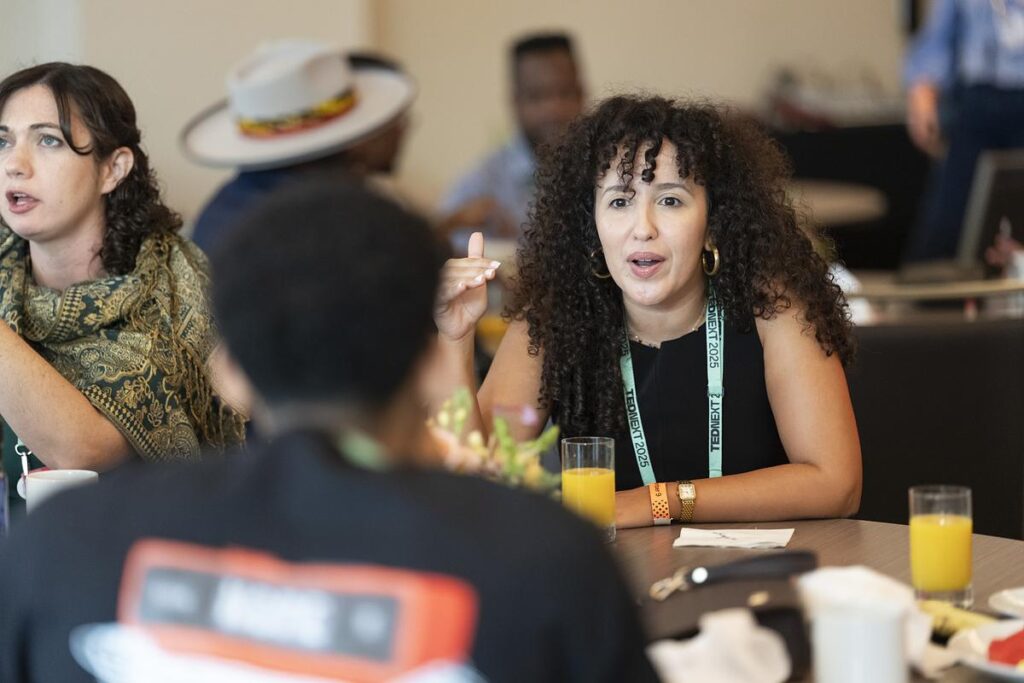
Last November, as the first-ever BSP Alum Council Events Chair, I took the 25-hour flight from Mauritius, where I lived at the time, to meet my fellow council members in Atlanta for TEDNext. We participated in a day-long Council retreat, followed by a multi-day conference focused on personal growth, career redirection, leadership, and navigating future changes.
I almost didn’t apply for the Alum Council role that made the trip possible. I was in a mid-career transition and felt a little lost. It felt like an odd time to take on a leadership position on a new council with a program I participated in when I was a teen attending the African Leadership Academy (ALA). Since BSP also offers first-year council members the opportunity to participate in an in-person leadership development experience, I decided to go for it.
I wasn’t looking to plan more events; I was curious about something deeper. Our alum community includes more than 300 former student Scholars across countries, careers, and life stages. Like many communities, people may engage intensely for a season and then shift their level of engagement as their life evolves. I found myself wondering what brings people back and what makes a community stay relevant through life’s transitions?
A Lesson from TEDNext
My experience at TEDNext gave me an unexpected answer: Great communities are intentionally designed. Every touchpoint at the conference, from the seating layout to the session pacing to the recovery spaces tucked between programming, felt intentional. There was also real care given to helping people step away from the experience without feeling disconnected. All of this mattered as much as who was in the room. The people I met all seemed to be navigating a transition of their own: a career change, a move, a reinvention of some kind. That shared connection created more meaning than any single conference session. The event was only three days, and nearly a year later, I’m still thinking about those conversations. These insights influenced how I approached my leadership on the council in the coming year.
Grounded in the understanding that meaningful community happens when the people who make up a community are thoughtfully considered, became the standard I wanted Alum Council events to meet.
Learning to Listen First
The council exists to help strengthen connections across the network and create opportunities for alum to engage, learn and support one another. This is easier said than done. Who’s actually in our community and what do they need? What does a 25-year-old, two years out of college, want from this network in comparison to an alum who is 15 years into their career? What would it take to find out?
In our first year as a council, that meant we had to do a lot of listening. Over the following nine months, we had one-on-one and collective conversations with various, diverse alums trying to get a real sense of where people are and what they wantedfrom the network. We learned there was a collective desire for meaningful, low-pressure opportunities to reconnect.
Smaller Gatherings, Real Connection
Rather than focusing on larger gatherings, we experimented with smaller opportunities for connection where alums could meet, reconnect and invest in relationships. We hosted and supported alum in hosting dinners in six cities: Boston, Chicago, Johannesburg, New York, San Francisco, and Washington, DC. When following up with alum who attended, they rated the experience as a 9.5 out of 10 when asked about their likelihood to recommend attending a dinner to another alum.
We’re encouraged by those results, but they only tell part of the story. Were we building sustained engagement across the network? Knowing longer-term success indicators become visible over time, the goal isn’t adding dinners in more cities. It’s going back to the ones we’ve already started building and see what happens over time.
Reconnecting alums isn’t about increasing attendance at events. It’s about creating opportunities for people to learn from, support, and invest in one another across different stages of life and leadership. That’s what makes a community feel alive.
A year into this role, I don’t think I’ve fully answered the question that brought me here. But I’ve become convinced that people don’t return to communities because they’re asked to.
“They return when they find belonging, relevance, and a reason to reconnect.”
—Imane Bounane, Alum Council Events Chair
Gratitude to Imane for taking the time and initiative to share this reflection. If it resonated with you or sparked your curiosity, consider it an invitation. Whether you’re deeply connected to the Bezos Scholars Alum Network or haven’t engaged in years, we’d love to hear from you.
There is no single way to be part of this community. You might want to reconnect with fellow alums over dinner in your city, explore opportunities to mentor or give back, or simply have a conversation about where you are now and what you’re looking for from this network.
As the Alum Council and BSP staff explore ways for alums to connect, contribute, and support one another, your perspective can help shape what’s next. Reach out. We’d love to reconnect, hear your story, and continue exploring a question at the heart of this community: How do we stay connected across time, distance, and life’s many transitions?